4 Chinese R&B Artists Gaining Popularity in the U.S. (With Music & YouTube Links)

The Chinese R&B and soulful-pop scene has been quietly building momentum for years. Thanks to YouTube, streaming platforms, and global fandoms, more artists from mainland China and the wider Chinese-language world are starting to catch the ears of listeners in the United States.

Here are four Chinese / Mandarin-language R&B or R&B-leaning artists you should have on your radar—each with a distinct sound and growing international footprint.

1. Khalil Fong (方大同)

If you ask fans who helped define “Mandarin R&B,” Khalil Fong is one of the first names that comes up. A singer-songwriter known for blending R&B, soul, jazz, and Mandopop, his catalog is a smooth gateway for U.S. audiences into Chinese-language R&B. (YouTube Music)

His grooves often feel like they could sit right next to D’Angelo or John Legend on a playlist—just with Mandarin lyrics and a slightly jazzier harmonic palette.

Good YouTube starting points:

  • Official channel:
    👉 Khalil Fong on YouTube (YouTube)

  • “Special Person (特別的人)” and “Love Love Love” are essential listens if you want to feel his R&B sensibility in full.

Why U.S. listeners might vibe with him:

  • Soulful vocal tone and harmonies that feel familiar to Western R&B fans

  • Live instrumentation, jazzy chords, and tasteful production instead of over-processed pop

  • Great “late night, lights low” energy for chill playlists

2. KUN / Cai Xukun (蔡徐坤)

KUN started in the Chinese idol world but his solo work has moved into a more modern R&B / pop hybrid lane—think atmospheric synths, tight drums, and smooth hooks. Articles highlighting Chinese-language R&B often point to his projects as part of a newer generation pushing the sound forward. (YouTube Music)

He blends C-Pop, trap, and R&B aesthetics, which slots nicely into current U.S. tastes around artists who mix pop hooks with moody, melodic rap or alt-R&B.

Good YouTube starting points:

Why U.S. listeners might vibe with him:

  • Production style lines up with current global pop/R&B trends

  • Strong visual identity and performance chops (great for YouTube discovery)

  • Hooks are catchy even if you don’t understand the lyrics right away

3. Joker Xue (薛之谦)

Joker Xue is often filed under Mandopop, but a lot of his biggest songs lean hard into R&B-influenced ballad territory—emotional vocals, dynamic arrangements, and melodic phrasing that feels very familiar to R&B fans. He’s one of the most commercially successful Chinese singers of his generation and continues to stay active and experimental. (Wikipedia)

Tracks like “Actor” blend pop and R&B sensibilities in a way that travels well outside of China.

Good YouTube starting points:

Why U.S. listeners might vibe with him:

  • Big, cinematic ballads with R&B phrasing and emotional storytelling

  • Strong choruses you can feel, even if you don’t catch every word

  • Great live and tour content that travels easily through fan clips and recommendations

4. WayV (威神V)

WayV is a Chinese-language unit under the larger NCT universe, but musically, a lot of their catalog sits right in the R&B-pop / dance-R&B lane. They’re heavily promoted across Asia with a growing international fanbase, and their sound is built on polished, global-standard production. (YouTube)

They blend smooth vocals, rap sections, and R&B-driven instrumentals that feel right at home next to Western boy groups and R&B-influenced pop acts.

Good YouTube starting points:

Why U.S. listeners might vibe with them:

  • Very polished visuals and choreography (perfect for YouTube and TikTok circulation)

  • Tracks like “Love Talk” already have global traction, especially among K-pop and C-pop crossover fans

  • A mix of R&B, trap, and pop that fits right into modern playlists

Final Thoughts

If you’re in the U.S. and want to explore R&B beyond the usual borders, these four artists are a great starting point:

  • Khalil Fong for classic Mandarin R&B vibes

  • KUN for modern, hybrid C-Pop/R&B

  • Joker Xue for emotional R&B-influenced ballads

  • WayV for polished group performances with R&B-pop energy

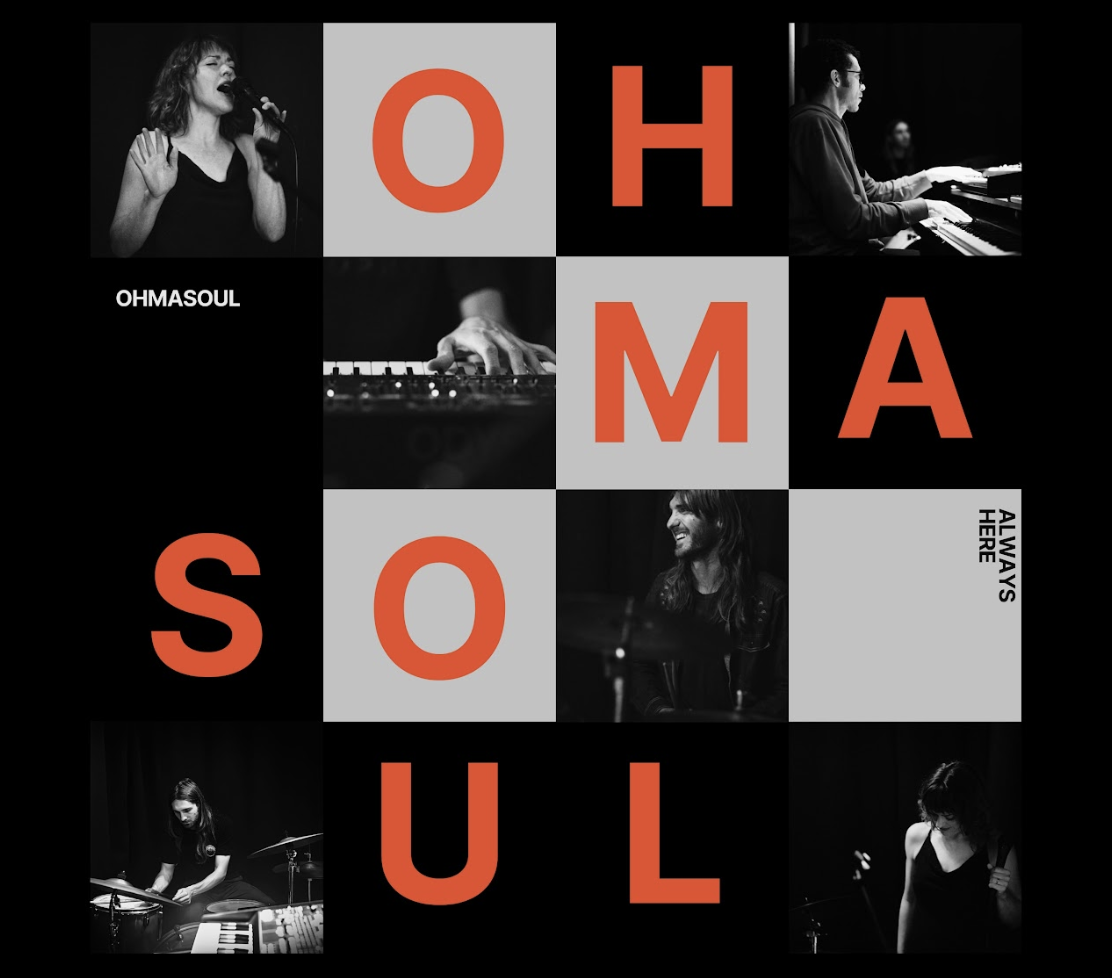
OhMaSoul Drops Their Debut EP Always Here — A Neo-Soul Journey You Can Feel 🎶

Always Here EP

If you haven’t heard of OhMaSoul by now, allow me to introduce you: a regional-New South Wales band serving up neo-soul grooves, jazzy harmonies, and lyrical storytelling that hits both the heart and the funny bone. With expressive vocals from Jemimah Hiscox, warm analog keys by James Brinkhoff, and the chill, grounded push of Thomas Hogarth on grooves, they’re a group that makes you listen , not just hear.

✨ New EP: Always Here

Their debut EP Always Here is out now. Recorded by Pat Harris and mixed by Jim Kelly, it captures the energy and chemistry of their live performances — that beautiful tension between polished vibe and soulful rawness.

You can stream it everywhere:
Spotify, Apple Music, YouTube Music, Bandcamp, SoundCloud, Amazon, etc.

“Stories of love, loss, rusty old trucks, and office-speak absurdity” — how’s that for variety? These are songs that speak to small moments and big feelings.

🔥 ASMBLY SoundLab Adds “MY CUP”

Exciting news: “MY CUP” has officially been added to ASMBLY SoundLab’s NEW RELEASES playlist! — a well-curated showcase for fresh music. If you’re streaming through that playlist, be sure to give “MY CUP” a spin. It’s one of the standout tracks from Always Here, and deserves the spotlight.

📅 What’s Coming & How to Support

OhMaSoul has some gigs lined up, so if you’re in or near Armidale or regional NSW, mark your calendar:

  • 7 October 2025 (Fri) — Creative Streets Festival, outside Signor Vertelli (Google Sites)

  • 26 October 2025 (Sun) — Markets in the Mall, Armidale (Google Sites)

  • 8 November 2025 (Sat) — Black Gully Festival (Google Sites)

How you can help the band grow:

  • Stream Always Here on your preferred service

  • Add “MY CUP” (and other tracks) to your personal playlists — the more plays, the more algorithm love

  • Share the EP & videos on social media

  • Come to a show (if you’re local) — nothing beats live connection


Boney James Ignites the Groove with *Slow Burn*: A Soulful Jazz Masterpiece

Boney James' latest album, Slow Burn, released on October 18, 2024, is a testament to his enduring artistry and ability to blend smooth jazz with soulful R&B elements. This 19th studio album features ten tracks, including eight original compositions and two homages to jazz legends Herbie Hancock and Stanley Turrentine.

The album opens with "Arcadia," a collaboration with renowned bassist Marcus Miller. This track sets a mellow yet engaging tone, showcasing James' signature saxophone melodies intertwined with Miller's rhythmic bass lines.

"Butterfly," a reimagined rendition of Herbie Hancock's classic, features both Marcus Miller and the versatile Cory Henry on keyboards. The trio delivers a fresh take on the piece, blending smooth jazz elements with a contemporary flair.

The title track, "Slow Burn," co-written and co-produced with multi-instrumentalist Jairus Mozee, encapsulates the album's essence with its deliberate and soulful progression, highlighting James' emotive saxophone performance.

A standout on the album is "All I Want Is You," featuring the soulful vocals of October London. This track has garnered significant attention, amassing over 7 million streams since its release, and is praised for its blend of smooth saxophone and heartfelt lyrics.

Other notable tracks include "Slide," which infuses a funky groove reminiscent of David Sanborn's style, and "Sugar," a tribute to Stanley Turrentine featuring Rick Braun's muted trumpet harmonies complementing James' saxophone.

Slow Burn is a cohesive collection that not only highlights Boney James' consistent ability to craft smooth jazz hits but also showcases his willingness to explore and reinterpret classic jazz compositions, making it a must-listen for both longtime fans and newcomers to his music.

For a taste of the album, here's the official audio for the title track, "Slow Burn":

The Living Wage for Musicians Act: A Step Toward Fair Compensation

The music industry has long been a dynamic and influential part of our cultural landscape, shaping trends, inspiring movements, and bringing joy to millions. However, beneath the glitz and glamour lies a stark reality: many musicians struggle to make a living wage. The recent introduction of the Living Wage for Musicians Act aims to address this disparity by ensuring fair compensation for the creators who enrich our lives with their art.

What is the Living Wage for Musicians Act?

The Living Wage for Musicians Act is a legislative proposal designed to guarantee that musicians receive a minimum of 1 cent per stream on digital platforms. This act is a response to the growing concern over the inadequate compensation artists receive from streaming services, where fractions of a cent per stream often fail to translate into sustainable income.

The Current Landscape

In the age of digital streaming, the way we consume music has drastically changed. While platforms like Spotify, Apple Music, and Amazon Music have made music more accessible than ever, they have also created a financial bottleneck for artists. Despite billions of streams, many musicians see only a minuscule portion of the revenue generated by their work. This imbalance not only undermines the value of their creativity but also jeopardizes their ability to continue producing music.

The Impact of the Act

If passed, the Living Wage for Musicians Act would revolutionize the music industry by ensuring that artists receive fair compensation for their contributions. A guaranteed minimum of 1 cent per stream might seem modest, but it represents a significant improvement over the current model. For many musicians, this change could mean the difference between pursuing their passion full-time and needing to supplement their income with other jobs.

Moreover, this act would set a precedent for other creative industries, advocating for the rights of artists and ensuring that their work is valued appropriately. By addressing the financial challenges faced by musicians, the act would foster a more sustainable and thriving artistic community.

How You Can Support the Living Wage for Musicians Act

Supporting the Living Wage for Musicians Act is crucial for bringing about this necessary change. Here are some ways you can get involved:

1. Raise Awareness: Share information about the act on social media, blogs, and other platforms. Use the hashtag #LivingWageForMusicians to join the conversation and amplify your voice.

2. Contact Your Representatives: Reach out to your local and national representatives to express your support for the act. Personal letters, emails, and phone calls can make a significant impact. Find your representatives here.

3. Sign Petitions: Look for online petitions advocating for the act and add your signature. Platforms like Change.org often host relevant petitions that need public support.

4. Support Musicians Directly: Whenever possible, purchase music directly from the artists, attend live performances, and buy merchandise. This direct support helps musicians earn more from their work.

5. Join Advocacy Groups: Organizations like the American Federation of Musicians (AFM) and Music Workers Alliance (MWA) are actively working to support this legislation. Joining these groups can provide additional ways to contribute to the cause.

FINAL THOUGHT

The Living Wage for Musicians Act represents a pivotal step towards ensuring that musicians receive fair compensation for their work. By advocating for a minimum of 1 cent per stream, the act acknowledges the value of artists' contributions and strives to create a more equitable industry. Your support can make a difference. Together, we can help build a future where musicians are fairly compensated and can continue to inspire us with their creativity.

For more information and to stay updated on the progress of the act, visit the official websites of advocacy groups like AFM and MWA. Let's stand together for a fairer music industry.

Kehlani - Sucia (feat. Jill Scott & Young Miko)

Kehlani's new song "Sucia," featuring Jill Scott and Young Miko, is a standout track from her latest album, *CRASH*. The song is a mesmerizing blend of contemporary R&B with a sensual, hypnotic beat that perfectly complements Kehlani's sultry vocals. The collaboration with Jill Scott adds a layer of seductive spoken word, while Young Miko's contributions enhance the track's rhythmic allure.

"Sucia" is a testament to Kehlani's ability to evolve and experiment with her sound. The track reflects the overall theme of *CRASH*, which is characterized by a mix of genres and a deep exploration of love, lust, and emotional complexity. The album marks a departure from Kehlani's previous works, offering a more avant-garde approach to R&B that still retains her signature style.

Critics have praised "Sucia" for its confident and flirtatious vibe. The song stands out for its intricate production and the way it seamlessly blends different musical elements. Kehlani's vocals are at their most enticing, drawing listeners into the intimate atmosphere of the track. The lyrics and melody work together to create a sense of seductive elegance, making "Sucia" a memorable and impactful addition to her discography.

Overall, "Sucia" is a highlight of Kehlani's *CRASH* album, showcasing her growth as an artist and her willingness to push the boundaries of her music.

Latest Developments for Recording Artists on Spotify, Tidal, and Apple Music

PROMOTE YOUR MUSIC WHERE YOU WILL GET PAID THE MOST

Spotify

Spotify is preparing to implement a revamped royalties model, aiming for a launch in the first quarter of 2024. This "two-tier" system has been in discussions with major labels and is expected to change how artists are compensated. This move is part of Spotify’s effort to address longstanding criticisms regarding its payout structure, which currently sits at about $0.0032 per stream, significantly lower than its competitors.

On a more positive note, Spotify recently celebrated its Best New Artist nominees, highlighting emerging talents such as Gracie Abrams and Ice Spice. These artists have gained significant traction through Spotify’s platform, showcasing the company's role in propelling new artists into the spotlight.

Tidal

Tidal has made several artist-friendly moves recently. It offers one of the highest per-stream payouts in the industry, around $0.013 per stream, which is more than both Spotify and Apple Music. This higher payout rate is part of Tidal's broader commitment to being an "artist-first" platform, demonstrated through initiatives like the "Artist Home" portal and the "Tidal Rising" program, which support and promote emerging artists.

Additionally, Tidal has enhanced its music-sharing capabilities, making it platform-agnostic. This update allows artists to share their music more freely across various platforms, potentially increasing their reach and fan engagement. Tidal also continues to provide high-quality audio experiences through features like Exclusive Mode and Passthrough MQA, which are designed to deliver superior sound quality.

Apple Music

Apple Music continues to innovate with features that enhance the listening experience. It supports Spatial Audio with Dolby Atmos, offering a more immersive sound experience, which is especially beneficial for artists aiming to deliver a high-fidelity audio experience to their listeners. However, it requires specific equipment to fully utilize these features, which might be a limitation for some users.

In terms of artist support, Apple Music has been less aggressive than Tidal in terms of payout rates but remains competitive with its robust promotional tools and large user base. Apple Music's New Music Mix and artist stations help in discovering new music, though some users find Tidal’s curated playlists more accurate and useful.

FINAL THOUGHT

Each streaming service has its strengths and weaknesses in supporting recording artists. Spotify is making strides in adjusting its royalties model, which could lead to better compensation for artists in the future. Tidal stands out with its higher payout rates and artist-centric initiatives, making it a strong contender for artists focused on higher earnings and engagement. Apple Music continues to innovate with advanced audio features, although its artist support mechanisms are not as pronounced as Tidal's.

Artists should consider these factors when choosing platforms to release and promote their music. For those seeking higher payouts and strong artist support, Tidal might be the best option. For those looking for a broad audience and innovative audio experiences, Spotify and Apple Music remain solid choices.